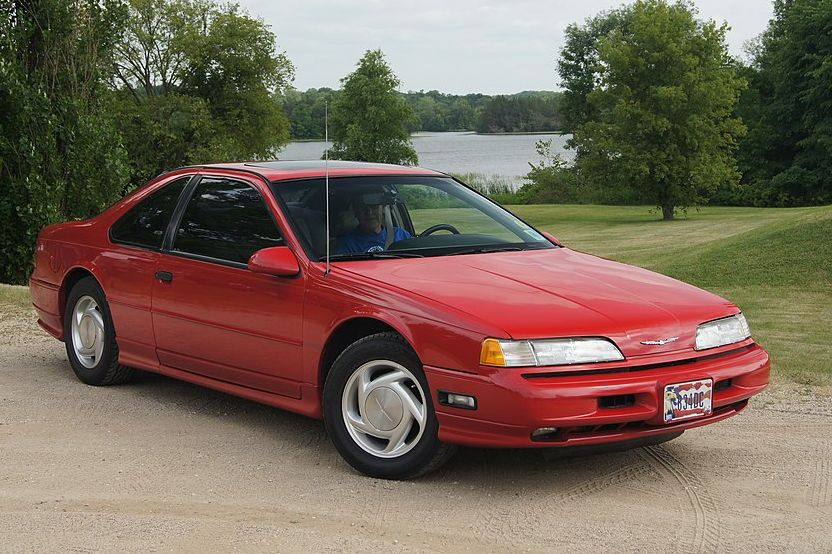
Supercharged Nostalgia: The Story of the Ford Thunderbird Super Coupe and the Online Communities That Keep It Alive
When Ford introduced the Thunderbird Super Coupe for the 1989 model year, it was not trying to dominate headlines with outrageous styling or oversized V8 bravado. Instead, the company offered something subtler and more ambitious. The Super Coupe combined advanced engineering, understated design, and supercharged performance in a package that rewarded drivers who valued sophistication as much as speed. Between 1989 and 1995, this formula captivated a dedicated audience. Decades later, that audience has evolved into a passionate online culture that continues to define the car legacy.
A different kind of performance car
The Thunderbird Super Coupe stood apart from many of its contemporaries. Its supercharged 3.8 liter V6 delivered confident torque and refined acceleration, but the experience extended well beyond straight line speed. Independent rear suspension, anti lock brakes, electronically adjustable suspension, and available manual transmission placed the car closer to a grand touring philosophy than to traditional American muscle.
This balance of restraint and performance created a strong emotional bond with owners. The Super Coupe did not rely on spectacle. It revealed its strengths gradually, which made ownership feel intentional and personal. That sense of discovery is one of the reasons the car continues to resonate with enthusiasts more than three decades later.
How Ford marketed the Super Coupe and why it matters
Ford marketing in the late 1980s and early 1990s reflected the limits and assumptions of its era. Promotion centered on print ads, television commercials, dealership brochures, and showroom conversations. The Super Coupe was positioned as a premium technological variant within the Thunderbird lineup rather than as a bold performance sub brand.
The messaging emphasized engineering credibility, ride quality, and refinement, but it lacked sustained storytelling. Once the purchase was complete, the relationship between brand and owner largely ended. There were no official online hubs, no long-term content strategy, and no digital infrastructure to support community engagement.
In contrast, automotive marketing in the digital age is continuous and participatory. Brands now cultivate identity through content, community, and psychological alignment with customer values. Modern strategy recognizes that buyers choose products not only for specifications, but for how those products align with self-image, belonging, and emotional narrative. This shift mirrors broader trends explored in contemporary marketing psychology, such as how mindset, trust, and identity influence customer choice in digital environments.
Understanding these forces explains why vehicles like the Super Coupe inspire loyalty long after production ends. If the Super Coupe launched today, it would likely exist within a carefully maintained digital ecosystem that included an official website, long form educational content, community forums, and regular updates. Ironically, the absence of these tools in its original launch allowed owners to build something organic and enduring themselves.
The rise of owner driven online communities
As the Thunderbird Super Coupe aged, owners turned to the internet to preserve knowledge and connection. Early forums evolved into modern websites and social groups that now function as comprehensive resource centers. These platforms document restoration projects, archive technical solutions, and share ownership stories that span generations.
In 2025, dedicated enthusiast spaces still illustrate how deeply the Super Coupe community remains engaged. These sites do more than catalog specifications. They create continuity, offering buyers guides, maintenance insights, and cultural context and downright good storytelling that transform an aging vehicle into a legacy.
These online communities succeed because they are actively maintained. Content is updated, links are curated, and conversations are moderated. In digital terms, they embody the same discipline required to keep the car itself on the road.
The Super Coupe as a modern classic
The Thunderbird Super Coupe occupies a unique position among modern classics. It remains relatively attainable, yet it represents a meaningful chapter in American automotive engineering. Interest continues to grow among collectors who value subtlety, mechanical character, and period correct innovation.
Its lasting relevance is not driven by speculation or hype. It is sustained by engagement. Cars endure culturally when people keep documenting them, writing about them, and building platforms that support shared knowledge.
What the Super Coupe teaches about digital marketing and website maintenance
The Super Coupe story parallels the realities of modern digital strategy. Just as the car earned loyalty through thoughtful engineering, successful websites earn trust through consistency and care.
Website maintenance is not merely a technical task. It is a credibility signal. Regular updates, secure infrastructure, functional navigation, and refreshed content demonstrate commitment to an audience. In 2025, search visibility, accessibility standards, and user experience all depend on ongoing attention.
Enthusiast websites thrive for the same reason the Super Coupe thrives. They offer depth, reliability, and continuity. Neglected platforms disappear. Maintained ones become institutions.
Why this story still matters
The Ford Thunderbird Super Coupe was never designed to shout, but it was designed with intention. Its appeal lies in balance, confidence, and the loyalty it inspired. Today, its legacy lives both on the road and online.
For enthusiasts, it represents a thoughtful alternative to excess. For marketers, it demonstrates how emotional connection outlasts advertising. And for anyone responsible for maintaining a website or digital brand in 2025, it offers a lasting lesson. Care, consistency, and community turn both machines and platforms into classics.